

Sleep and Joint Health: Why Stiffness Starts at Night
Have you ever wondered why your knees feel like rusty hinges the moment you wake up? Or why does that nagging ache in your lower back seem to amplify the second the house goes quiet?
It’s a frustrating reality for many of us.
You spend all day managing your energy and staying active, only to have your rest disrupted by discomfort that seems to appear out of nowhere. You aren't imagining it, increased joint pain at night is a real physiological phenomenon.
While sleep is supposed to be the body’s ultimate recovery tool, for millions of adults, it becomes a battleground against stiffness and inflammation.
But here is the good news: understanding why this happens is the first step toward fixing it. By making small adjustments to your sleep environment and posture, you can turn your nights back into a time of healing rather than hurting.
What Happens to Joints While You Sleep
To understand why stiff joints in the morning are so common, we have to look at what happens inside your body when the lights go out. Your internal clock, or circadian rhythm, controls more than just your sleep-wake cycle; it also dictates your inflammation levels.
The Circadian Inflammatory Cycle
Research suggests that our bodies naturally suppress inflammation during the day to keep us moving.
However, at night, this suppression drops. Simultaneously, your immune system becomes more active, releasing proteins called cytokines. While these proteins help fight infection, they also increase inflammation. This nocturnal surge in inflammation is a key reason why arthritis symptoms or general joint wear-and-tear feel worse at 3 a.m. than at 3 p.m.
The Synovial Fluid "Pump"
Think of your joints like a sponge.
When you move during the day, you are constantly compressing and releasing the cartilage, which helps circulate synovial fluid, the thick liquid that lubricates your joints. This movement acts like a pump, flushing out waste products and bringing in nutrients.
When you sleep, you are immobile for hours.
Without that pumping action, the fluid can become stagnant, and the tissues around the joint can swell slightly. This lack of movement is a primary driver of that "gel phenomenon", the sensation of thickness and resistance in your joints when you first try to move in the morning.
The Role of Support and Alignment
If inflammation provides the fuel for joint pain, poor alignment lights the match.
How you position your body for those eight hours can determine whether you wake up refreshed or in pain.

The Impact of Mattress Quality
Your mattress is the foundation of your sleep health.
If it is too soft, your hips and shoulders might sink too deeply, throwing your spine out of neutral alignment. If it is too firm, it creates pressure points that cut off circulation and irritate nerves.
For those managing weight or energy balance, sleep quality is non-negotiable.
A lack of restorative sleep can disrupt metabolic health, making it harder to maintain a healthy weight, which, in turn, puts more stress on your joints. It is a cycle worth breaking.
Pillow Power: It’s Not Just for Your Head
Most people think pillows are just for head support, but they are essential tools for total body alignment.
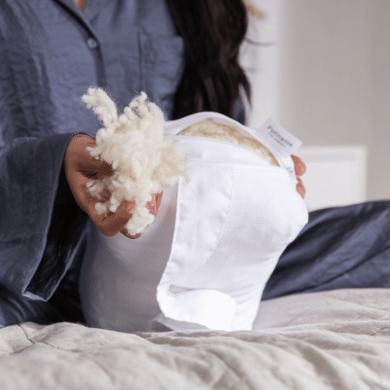
- For Side Sleepers: Your top leg can pull your spine into a twist, straining your lower back and hips. Placing a specialised support, like the Putnams Knee Pillow, between your legs keeps your hips stacked and your spine neutral.
- For Back Sleepers: A small pillow under the knees can reduce strain on the lower back by flattening the lumbar curve.
- For Neck Pain: If you wake up with a stiff neck, your pillow height might be the culprit. An orthopaedic option, like the Putnams Memory Foam Pillow, contours to your neck's natural curve, preventing the muscles from tensing up overnight.
Reducing Morning Stiffness Naturally
You don't have to accept joint stiffness and sleep disruption as your new normal.
There are practical, sustainable changes you can make to encourage joint recovery overnight.
1. Master Your Sleep Posture
The sleep posture joints connection is undeniable.
If you are a stomach sleeper, you are likely twisting your neck and hyperextending your lower back. Try transitioning to side or back sleeping. If you struggle to stay in position, body pillows can act as "bumpers" to keep you aligned.
2. Best Sleep Positions for Joint Pain
-
Knee Pain
For knee pain, side sleeping with a pillow between your knees is ideal. This helps maintain alignment in your lower body and reduces pressure on the joints. If you prefer back sleeping, place a small pillow beneath your knees to support the natural curve of your spine. -
Shoulder Pain
When dealing with shoulder pain, avoid sleeping on the affected side. Instead, try back sleeping with a pillow under your arm to ease pressure. Alternatively, side sleeping on the opposite shoulder with a pillow hugged closely to your chest can provide added stability. -
Hip Pain
For hip pain, side sleeping with a firm pillow or knee pillow between your knees can help keep your hips neutral and reduce strain. Back sleeping is also a good option, particularly if you add a pillow under your knees for extra support. Avoid sleeping on your stomach, as this can exaggerate hip misalignment. -
Lower Back Pain
Back sleeping is often the most beneficial position for lower back pain. Using a pillow beneath your knees can relieve pressure on your spine. If side sleeping is your preference, tuck a pillow between your knees to align the pelvis and reduce strain. For those who struggle to switch, a supportive mattress is key to any position.
These tailored sleep positions, combined with supportive tools like quality pillows and an appropriate mattress, can significantly ease joint discomfort and improve your restorative rest.
3. Temperature Regulation
Cold temperatures can cause muscles to tense up and synovial fluid to thicken (think of how oil moves more slowly when it's cold). Keep your bedroom cool for sleep hygiene, but ensure your joints stay warm. A warm bath before bed not only relaxes muscles but also raises your body temperature, and the subsequent drop when you get out can signal to your brain that it’s time to sleep.
4. Gentle Movement Before and After Sleep
You don't need a full workout, but light stretching before bed can relieve tension accumulated during the day. Similarly, when you wake up, don't jump straight out of bed. Spend two minutes doing gentle range-of-motion exercises, ankle pumps, wrist circles, and knee bends, while still lying down.
This "wakes up" the synovial fluid before you put weight on your joints.
5. Upgrade Your Support System
If your mattress is over eight years old, it may have lost the structural integrity needed to support your joints. If a new mattress isn't in the budget, consider a high-density mattress topper. Furthermore, specialised products like Putnams Bed Wedges can be incredibly effective for reducing back pain and acid reflux, allowing for a more restful, uninterrupted night.
Useful Arthritis Sleep Tips
Here are some practical tips to improve your sleep and manage joint pain, as recommended by Arthritis UK:
- Establish a Relaxing Night-Time Routine: Winding down before bed can help your body prepare for restful sleep. Activities like reading, gentle stretches, or a warm bath can ease tension and reduce sleep joint pain.
- Keep Your Bedroom Comfortable: Ensure your room is dark, quiet, and at a comfortable temperature to promote uninterrupted sleep. Consider using blackout curtains or a white noise machine if external factors disrupt your rest.
- Use Supportive Bedding: Opt for pillows, mattresses, or toppers designed to support the alignment of your joints. Proper support can reduce pressure points and minimise why joints hurt more in the morning.
- Practice Gentle Morning Movement: For many, pain is worse in the morning as stiffness builds overnight. Gentle stretches or slowly "waking up" your joints with heat therapy can help alleviate discomfort and improve mobility.
- Focus on Sleeping Positions: Sleeping on your back or with a pillow between your knees (if on your side) can keep your joints in a more natural position, reducing strain during the night.
By integrating these habits into your daily routine, you can improve sleep quality and better manage arthritis-related discomfort. The relationship between sleep positions and quality of sleep cannot be underestimated.
See also - Mastering the Art of a Restful Night's Sleep: How to Sleep Better in 8 Easy Steps

Breaking the Cycle of Pain and Fatigue
Managing joint health is a marathon, not a sprint.
It fits perfectly into a broader lifestyle focused on energy balance and metabolic stability. When you prioritise how sleep affects joint health, you are investing in your body's ability to repair itself.
Better sleep leads to better energy levels. Better energy leads to more movement during the day. More movement leads to healthier, better-lubricated joints.
By combining expert-backed advice with the right supportive tools, you can minimise the "rusty" feeling of morning stiffness and wake up ready to tackle your day, pain-free.
See also - Your Guide to Healthy Sleep Habits and Finding Your Ideal Sleep Position
Frequently Asked Questions (FAQ)
Why do my hips hurt so much at night?
Hip pain at night is often caused by inflammation (bursitis) or pressure. Lying on your side can compress the bursa (fluid-filled sacs) in your hip. Using a mattress topper to soften the pressure point or placing a pillow between your knees to align your hips can provide significant relief.
Does sleep position affect arthritis?
Yes.
Certain positions can put unnecessary stress on arthritic joints. For example, side sleeping without a knee pillow can strain arthritic hips and knees. Back sleeping is generally considered the most neutral position for joint distribution, provided your neck and knees are properly supported.
Can diet affect morning stiffness?
Absolutely. Since night-time pain is often linked to inflammation, a diet rich in anti-inflammatory foods (like omega-3 fatty acids, berries, and leafy greens) can help manage systemic inflammation levels, potentially reducing the severity of morning stiffness.
How do I know if I need a new mattress?
If you wake up with pain that subsides within 30 minutes of moving around, your mattress might be the issue. Visible sagging, lumps, or realising you sleep better in hotels are also clear signs it is time for an upgrade.
Why do my joints stiffen up at night?
Joint stiffness at night can occur due to reduced movement during sleep, which may lead to a temporary build-up of inflammatory responses in the joint tissues. Lack of movement decreases synovial fluid circulation, which lubricates joints and prevents stiffness. Certain conditions, like arthritis or fibromyalgia, are also associated with nocturnal joint stiffness.
Research published in the Journal of Rheumatology highlights that inflammation levels often follow a circadian rhythm, potentially increasing during the night and contributing to the discomfort experienced. Maintaining a comfortable sleeping position and ensuring proper support for your joints can mitigate this issue.
What vitamin deficiency causes stiff joints?
Vitamin D deficiency is frequently linked to joint stiffness and overall musculoskeletal discomfort. Vitamin D plays a critical role in calcium absorption and bone health, and its deficiency can lead to weaker bones and heightened joint pain or stiffness.
A study published in Clinical Rheumatology found a strong association between low levels of vitamin D and increased joint symptoms in patients with conditions like rheumatoid arthritis. If you suspect a deficiency, consider a blood test and incorporating vitamin-D-rich foods such as fatty fish, fortified dairy products, or supplements under medical supervision.
What is the best vitamin for stiff joints?
Besides vitamin D, vitamins C and E are highly beneficial for joint health due to their antioxidant properties, which help reduce oxidative stress and inflammation in the joints. Vitamin C is essential for collagen formation, a critical component of connective tissues, while vitamin E helps combat inflammatory damage at a cellular level.
According to research in Arthritis Research & Therapy, antioxidants like these can play a supportive role in managing joint discomfort and improving flexibility. Including foods like oranges, spinach, almonds, and broccoli in your diet can provide these essential nutrients naturally.
How to reduce inflammation when sleeping?
Reducing inflammation overnight involves several lifestyle adjustments.
First, consider optimising your sleeping environment with a supportive mattress and ergonomic pillows to relieve pressure on your joints. Bedding materials that keep you cool can also help minimise inflammation exacerbated by heat. Dietary choices, such as consuming anti-inflammatory foods like turmeric, ginger, and omega-3-rich fish during the day, can contribute to lower systemic inflammation.
Additionally, practising relaxation techniques before bed, such as deep breathing or gentle stretching, helps reduce stress, another inflammation trigger. A study by Viktoriya Maydych at Department Psychology and Neurosciences, Leibniz Research Centre for Working Environment and Human Factors, TU Dortmund (IfADo), Dortmund, Germany confirmed the link between stress reduction and improved inflammatory markers. Prioritising a consistent sleep schedule can also support your body's natural repair processes, further calming inflammation overnight.
See also - Sleep and Inflammation: How Poor Rest Fuels Chronic Pain

Take the Next Step for Your Sleep Health
If you are tired of waking up stiff and sore, it is time to look at your sleep environment. Whether it’s correcting your posture with a Putnams Knee Pillow or finding the right neck support, small changes yield big results.
Explore our full range of orthopaedic supports designed to help you find comfort and get the rest you deserve.


From the blog
View all




Leave a comment